
Life After Stroke
Not back to normal. Back into your life.
At some point the question stops being how much will I get back? and becomes what am I going to do with this?
That shift is not resignation. For a lot of people, it is precisely the moment at which things start moving again.
Nobody Gets to Define Recovery for You
Recovery gets measured in things that can be counted, and those things matter.
But quality of life after stroke is also personal. What makes your life feel like yours, and what would make it better, are questions you get a say in answering.
Some people want their old capacities back and will keep working for them for years, and they are right to.
Some people find that the thing they most want back is not on any assessment – cooking for people again, being funny again, driving to see a friend without planning it for a week.
Both of those are recovery.
You do not have to pick the noble version. And sometimes recovering is adopting a life entirely new and your own not possible without stroke.
The Thing We Are Most Interested In
Of everything in this part of stroke recovery, one question keeps coming back:
Not only what a person can do in an assessment, but whether they have re-entered their own life.
Whether they are initiating things again. Whether they are doing the thing they most want to be doing.
For PSI, that is part of what whole-person stroke recovery means: function matters, and so do agency, identity, participation, and quality of life.
This is the question PSI's research work is built around – and it is a question, not a finding.
Explore what we are researching, including what we cannot yet show.
What Returning to Life After Stroke Actually Looks Like
Rarely a single moment.
More often:
Choosing one thing you want back, specifically, and working at that rather than at recovery in general
Rebuilding a social life that has shrunk to appointments
Working out what is genuinely gone, what is dormant, and what was just never given a fair try
Discovering who you are now, rather than measuring every day against who you were before
Finding out that some things are better, which is disorienting and allowed
Growth, meaning, advocacy and inspiration are optional.
Nobody is required to make something beautiful out of this.
Some people do. Some people just want their Tuesday back.
Jake's Field Notes
“So perhaps this is an exercise in Uncertainty Tolerance? I've been asking myself: what is it you're learning from this experience you couldn't have learned any other way?”
Read more of Jake’s Field Notes

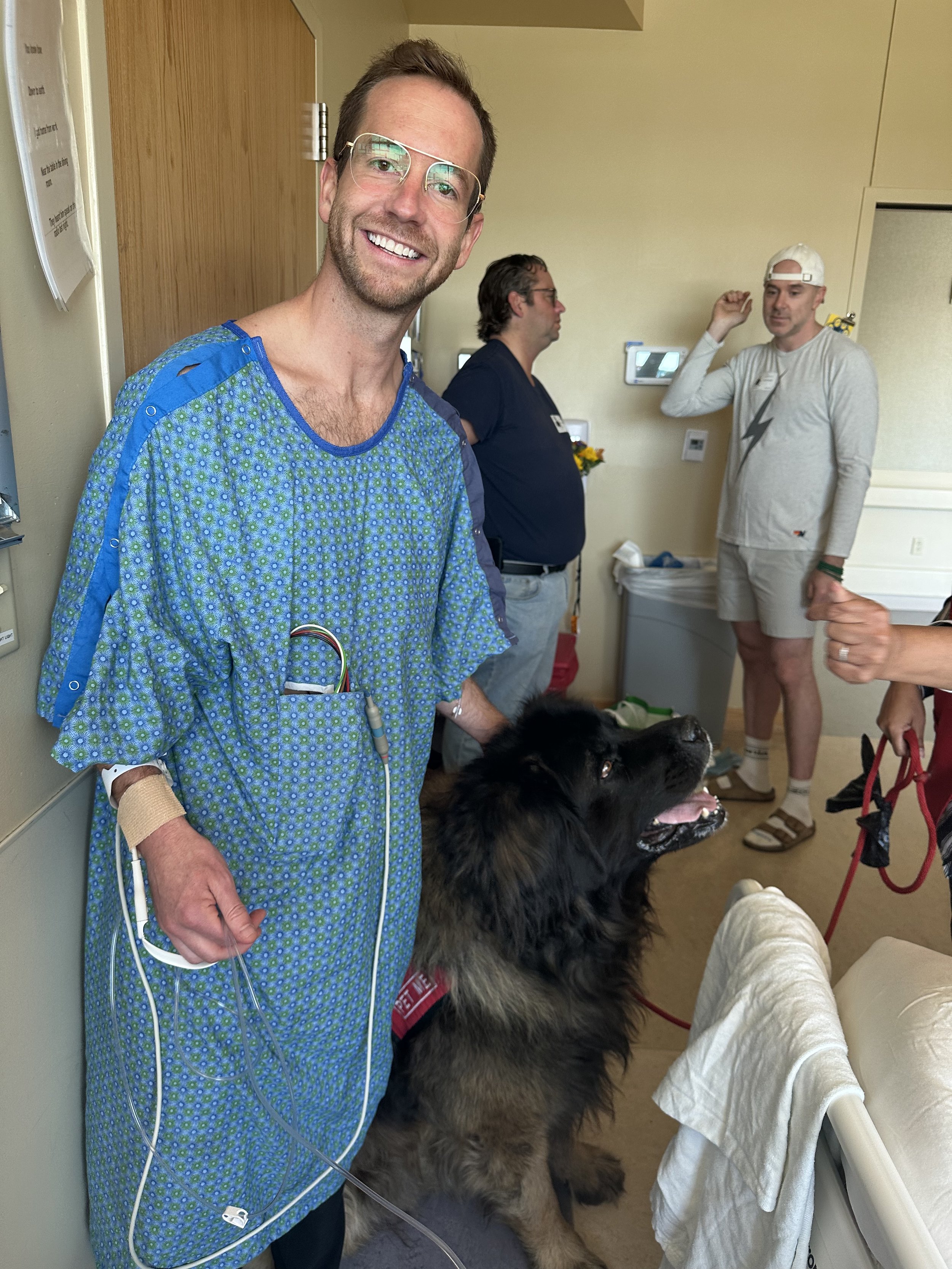


If You Are Caring for Someone After Stroke
This is the stretch where the relationship can find a new shape – or quietly harden into patient and caregiver.
One of the hardest shifts can be knowing when to help and when, if it is safe, to leave room for the person you love to try something themselves.
After spending months or years keeping someone safe, stepping back can feel unnatural.
But caregiver support after stroke is not only about doing more. Sometimes it is about finding a way for both people to have agency again.
The relationship is part of life after stroke too.
What’s Next?

Explore Calls for Stroke Survivors and Caregivers

Explore PSI's Stroke Recovery Research