

Stroke recovery is more than a chart can hold
The fear. The fog. The person you are still working out how to be. Whether you are weeks out or years out, if the changes show or don't– that part of recovery is real, and not a failure of effort.
PSI works on that part of stroke recovery, and on the honest question of whether psychedelics belong in it.

Acute Care. Rehab. Discharge.
Then the appointments thin out, and you are holding things the discharge summary has no line for. Energy that won't hold still. Two good days, then a day that takes them back. Words still go missing. Fear another stroke may be around the corner. The feeling that everyone has decided you are finished healing.
We call that stretch the Gap. It is not a diagnosis nor is it a stage. It is a name for something a lot of survivors feel deeply, and having a name for it, helps tame it.
If you are the one holding it all together for someone else, a partner, parent, adult child, friend, you’re in this too. Not on the outside of it. Everything here is written for you too.
The Recovery Gap After Stroke
Whole-Person Stroke Recovery: What the Measures Don't Capture

Stroke care measures what it can measure, and it should. Movement, speech, cognition, independence – those matter, and getting them back matter.
But recovery is not finished when the measurable part stops moving. In a 2025 study at two US stroke centers, survivors and caregivers named five things that shaped their recovery. A widely used stroke quality-of-life scale captured two of them. It did not capture the other three: losing your independence, feeling ashamed, and living with the fear of not knowing.
This is not a complaint about medicine. It is a description of where the work still is. And it is a question researchers are now asking too.
PSI's starting point is that you are the one who gets a say in what counts as better.
A Stroke Survivor's Story
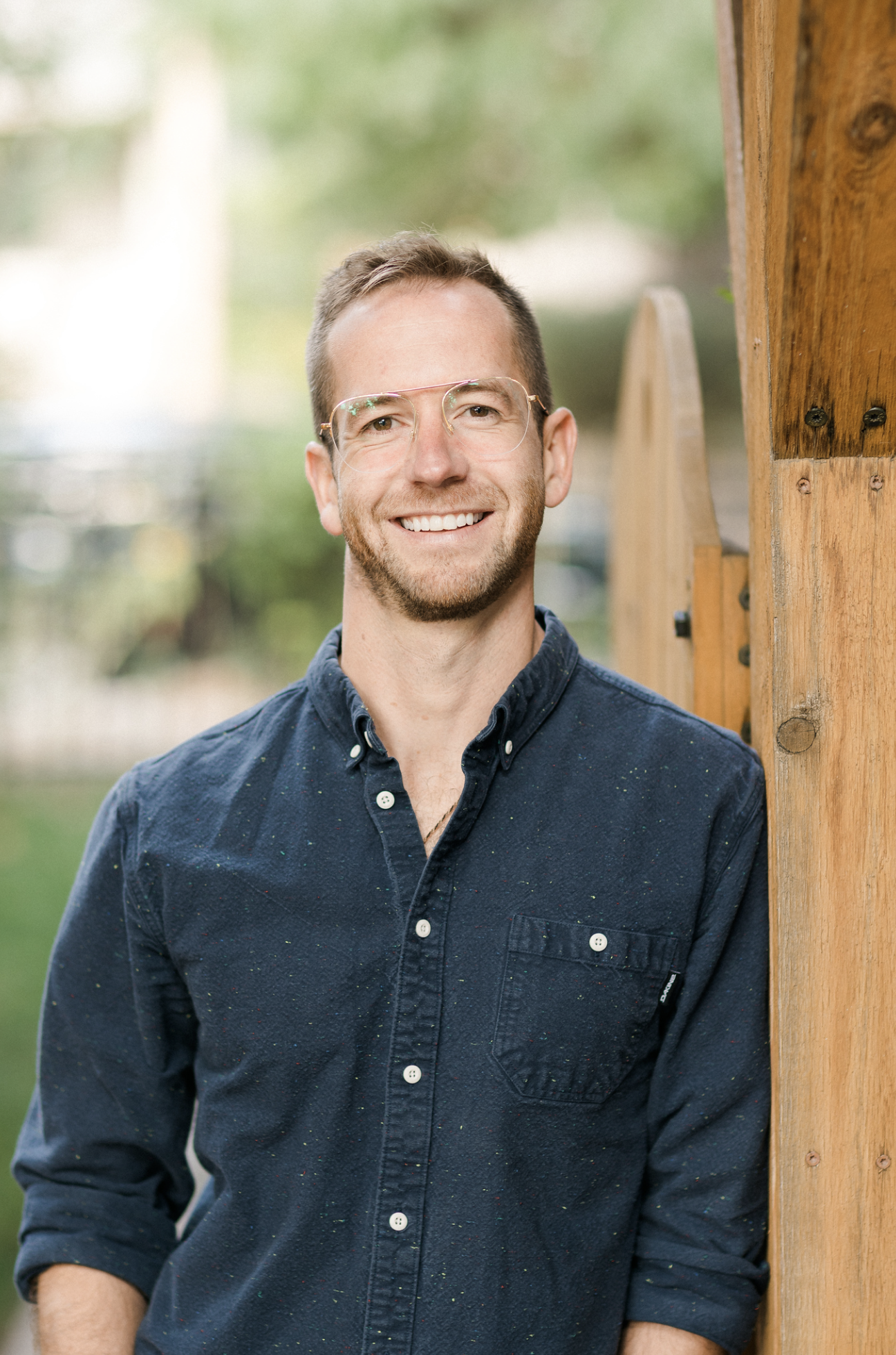
Jake McWink had an ischemic stroke in 2019, at twenty-nine, in a hospital far from home. In 2025 he had a carotid artery dissection and a subsequent TIA, and did it again. This time in his own country, with all the same gaps.
He started PSI because the second time made something obvious: the hardest parts of recovery were the parts nobody had prepared him for, and there was very little written down for the person actually living inside them.
“I just needed to be told that my job right now is to heal. That’s it.”
Stroke Survivor Stories
Other people are in this too…
Reading someone else's account of the same thing matters more than it sounds like it should, especially if you have been quietly wondering whether it is just you. These are individual experiences, shared with permission. They are not evidence that any approach works.

Ashley experienced a stroke five years ago, quickly passed initial clinical milestones, yet still struggled with subtle lingering effects like word-finding difficulties. Seeking additional healing methods, she explored microdosing psilocybin, which provided better sleep and a renewed sense of hope. Her journey shows that recovery extends beyond standard therapies, often requiring self-advocacy, open-mindedness, and patience.
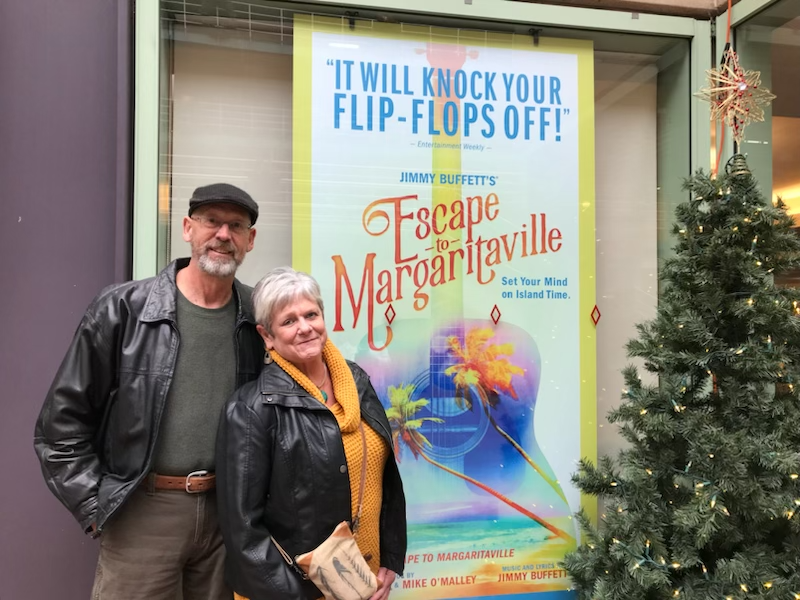
After a life-altering stroke in September 2021, Robbie faced significant cognitive challenges that traditional treatments couldn't fully address. Determined to reclaim her life, she explored microdosing psilocybin mushrooms, leading to transformative improvements in clarity and emotional resilience – but it wasn’t all perfect. Her journey highlights the potential of alternative therapies in stroke recovery and the importance of an open-minded approach to healing.

From navigating hospitals overseas to embracing psychedelic microdosing as a potential tool for neuroplasticity and emotional healing, it’s a story of resilience, determination, and hope. Ultimately, Jake’s journey led to the creation of Psychedelic Stroke Institute, an initiative born from personal discovery and a desire to help others facing similar challenges.
Stroke Survivor & Caregiver Support
Our community calls for stroke survivors begin October 28th, 2026, 2:00pm(MST). They will be held every 4th Wednesday of each month (except December 2026). Sign up below.
Community calls for caregivers is forthcoming, planned for 2027.
Prefer to talk one to one? Jake speaks with survivors when he has the capacity to do it properly. Request a 1:1 conversation
Can Psychedelics Help Stroke Recovery?
Psychedelics have produced real results in human trials. Psilocybin has produced significant results in human trials for major depressive disorder and for depression and anxiety associated with life-threatening cancer, with more on the way. Researchers are now beginning to study them in neurological conditions that were previously excluded on safety grounds. A trial testing whether psilocybin is safe in chronic stroke survivors is recruiting at Johns Hopkins.
In the research we have reviewed, we have not identified human evidence that a psychedelic improves a stroke outcome. Not yet. Possibly not ever.
We think it is a serious question and we would rather answer it carefully than sell it early. Here is everything we know and everything we don't.
The Psychedelic Stroke Institute is a Colorado nonprofit corporation, founded and run by a stroke survivor. We write about what this part of recovery is actually like, we bring survivors and caregivers together, and we work on research questions that start with survivors rather than with the clinic.
We do not provide medical care. We do not supply, source or help anyone obtain any substance. We do not tell anyone what to take.
We do not currently hold IRS 501(c)(3) recognition, and we are exploring fiscal sponsorship. We would rather you learn that here than have to find it out.
About the Psychedelic Stroke Institute
Stroke research usually measures what a person can demonstrate during an assessment. We are interested in something next to that: whether a person gets back into their own life – whether they start doing the thing they most want to be doing again.
Preliminary investigations are in planning. Neither has a protocol, funding or a site yet, and we will say so until they do.