


This is where people disappear: not sick enough for the hospital, not okay enough for life.
The Gap is the season of “I guess this is just me now?” It doesn’t have to be.
The medical cadence slows. Friends stop checking in. The survivor still wakes up in a body that doesn’t feel like home. This is often where emotional suffering spikes. Especially when the world thinks you’re “fine.”
What this page does
Gives language for the Gap, so you can advocate for support, reduce shame, and rebuild a plan that fits reality.
What PSI is doing here
Naming the phase of this long tail of recovery equips the tools needed to persevere.
Signs you may be in “The Gap”
The long tail of recovery. A purgatory.
You look “recovered,” but feel fragile
Fear returns on quiet days
Energy is unpredictable
Cognition/emotion feel expensive
Caregiver fatigue turns chronic
Why the Gap is so brutal
The Gap is an identity problem as much as a symptom problem. It’s the collapse of certainty.
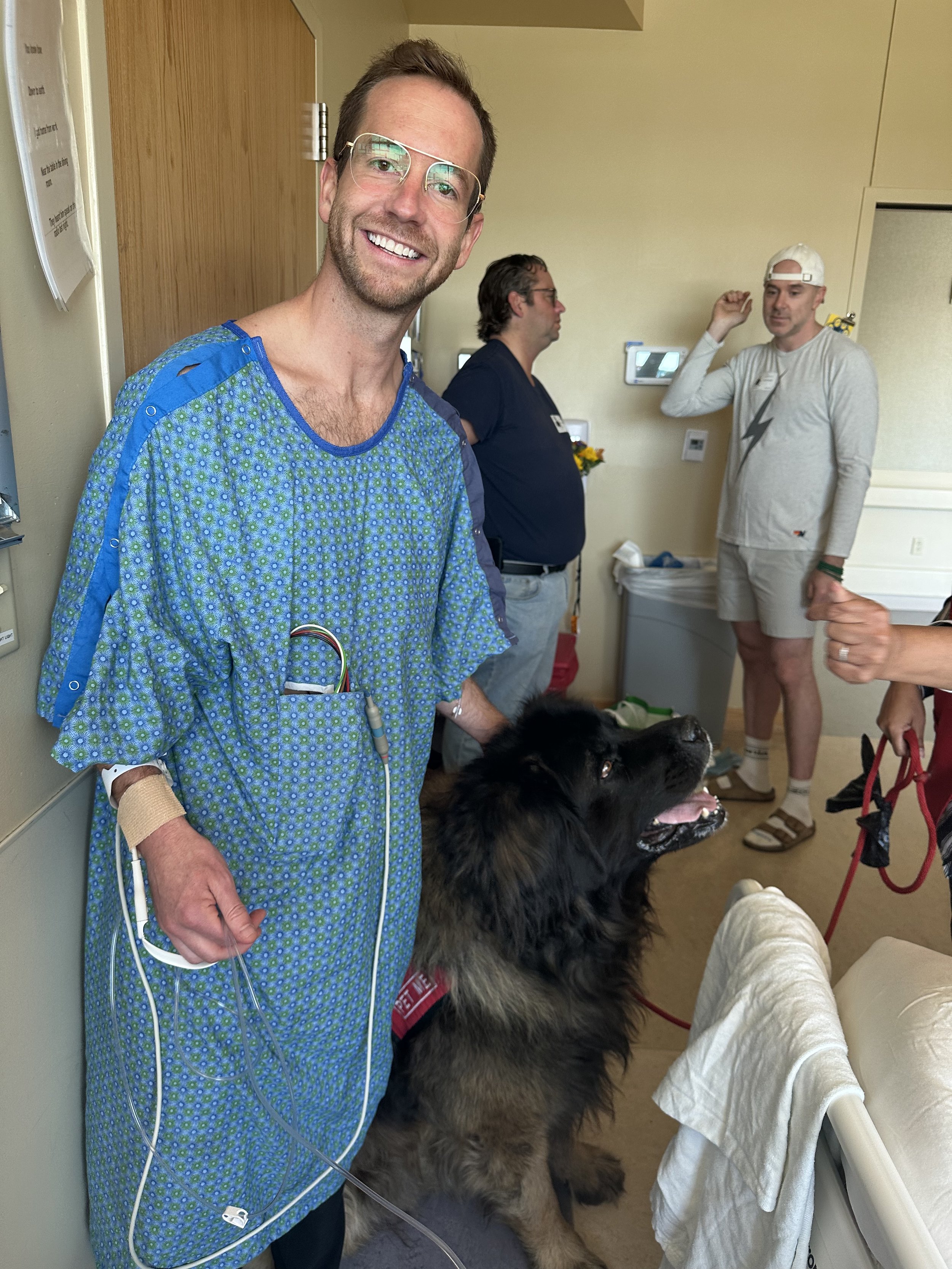
Jake's Field Notes
“I have been so worried the last few weeks, this time of recovery has been a ‘waste’… the judgmental Western mindset that seems to muddy the water… What if I’m not as strong, smart, quick, resilient as before?”
PSI Translation: If this is you, you’re not broken. You’re in it.

25+
People Supported


A Gap reframe that doesn’t gaslight you
Consider replacing “I’m stuck” with:
“My system is recalibrating.”
“My edges are forming.”
“I’m learning uncertainty tolerance the hard way.”
What helps in the Gap (without pretending it’s quick)
Consider building three supports:
Structure: a few repeatable anchors (walk, rest, food, sunlight)
Language: a way to explain invisible symptoms to others
Community: people who won’t demand optimism from you